WATCH THIS BEFORE YOU HIRE ANYONE

What's actually destroying your carpet.

It isn't stains. It's sand — and the oil off your shoes is what glues it to the fiber. Four minutes twenty, thirteen years on the truck, and the whole mechanism explained. Owner-operated in Galt and Lodi since 2013.

Everything in this video is written out below and in our full guides. Free either way — whether you call us or not.

THE FULL TRANSCRIPTRead the whole thing instead — every word, in writing.

Your carpet is not getting dirty. It's getting destroyed. And those are two completely different things.

Thirteen years, thousands of homes, and almost nobody knows the difference. So let me show you, because once you see it you can't unsee it.

The thing killing your carpet isn't stains. Stains come out. It's sand.

Here's how it gets in. Every hard surface outside your house is coated in oil. Every parking lot, every driveway, every road. Motor oil, brake dust, whatever leaked out of the truck in front of you at the light. And sand sticks to oil. So when you walk through your front door, you are not tracking in dry dirt that a vacuum can lift. You're tracking in a paste. Oil, with grit bonded into it.

And that oil is looking for something to grab. It finds the oils already in your carpet from bare feet, or it grabs the fiber directly. Either way it transfers, it stays, and it collects more.

Here's the fix, and it costs about twenty dollars. Two mats. Two different mats, doing two completely different jobs.

Outside: stiff, prickly, bristly. The kind that hurts a little. That mat is a machine. It scrapes grit out of the tread of your shoe.

Inside: flat, soft, absorbent cloth. That mat is a sponge. It takes the oil.

That decorative mat you have right now, the one that says Hello Gorgeous in cursive? That's not a mat. That's a greeting card you step on. It has never removed anything from anyone's shoe. It just sits there being polite while everything walks straight past it.

Bristle outside. Cloth inside. Both. One without the other is half a system.

Now, whatever gets past your mats works its way down. Not on top where you could vacuum it. Down. All the way to the base of the pile, where the fibers are packed tight, where you can't see it and can't feel it.

And here's what almost nobody learned. Your carpet fibers have a coating on them from the factory. That coating is why the carpet feels soft, why the color looks alive, and why a spill beads up instead of vanishing into the floor.

Sand is harder than that coating.

So every step you take, your entire body weight drives those grains against the sides of the fibers and drags them. That's sandpaper. Under your feet. In the same three walkways. Every single day.

You are not walking on your carpet. You're sanding it.

And once that coating is ground off, the fiber is naked. It blooms. It unravels. And nothing stops that. Nothing. Until it's completely opened up.

Here's why that matters. An intact fiber reflects light back at you, and that reflection is the color. That's what makes carpet look like carpet. An unraveled fiber can't reflect anything. It goes flat, dull, gray, and it stays that way permanently.

So that gray lane running past your couch, the one you've been apologizing to guests about? That's not dirt. That's not a stain. Those are thousands of destroyed fibers that will never reflect light again.

A traffic pattern isn't a mess. It's a scar.

No cleaner on earth brings that back. Not me, not anybody, not any product advertised at eleven at night. If a company tells you they can restore a traffic lane, they are lying to you.

So what actually stops it?

One thing. Putting that protection back on before it's too late.

And here's the uncomfortable part. Nobody can tell you how long you've got. Not me, not the guy at the flooring store. It depends entirely on who lives in your house, how many of them, what they do, and what they walk through. A retired couple in slippers? Years. Four kids, two dogs, and a husband who does his own brakes in the driveway? You do not have years.

So people wait for a sign. That's the mistake. Because the sign is the damage.

If you can see the oils in your carpet, that dark sheen in the doorway, you're too late. If you can see a traffic pattern forming, you're too late.

By the time your carpet tells you, your carpet is already gone. It's not an early warning system. It's an obituary.

So here's what actually works. Four things.

Bristle mat outside, cloth mat inside, every entry. Today.

Vacuum slow. Two passes where you're doing one. Fast doesn't count. You're just petting it.

Socks or slippers instead of bare feet. Your body oils are the glue that holds the sand against the fiber.

And get the protection reapplied before you can see damage. Not after.

Three of those four are free. You can do them this weekend and you don't have to hire anybody.

But you can't un-know this now. You're going to look at your doorway tonight. You're going to look at that gray lane by the couch. And you're going to know exactly what you're looking at.

Sorry about that.

Spiker Carpet and Tile Care. Thirteen years, owner operated. We'll tell you the truth about your floors whether you hire us or not.

Three more, same job.

Watch all four →

EVERYTHING IN THE VIDEO, IN WRITING

Straight answers to every question this raises.

What actually causes carpet damage?

Sand. Not foot traffic, not stains, not age — sand and grit that works down to the base of the pile and gets driven against the side of every fiber by each step you take. Traffic is only what presses it in.

Stains are a surface problem and they come out. Sand is a mechanical problem, and it files the protective coating off the fiber a little more with every pass. That is not something any cleaning reverses.

Read the full guide

How does sand get into carpet in the first place?

It rides in on oil. Every hard surface outside — parking lots, driveways, roads — is coated in motor oil and brake dust, and sand sticks to it. So what comes through your door is not dry dirt a vacuum can lift. It is a paste with grit bonded into it.

That oil then transfers to the oils already in your carpet from bare feet, or straight onto the fiber. Either way it stays, and it collects more.

Read the full guide

Do doormats actually do anything?

Yes, if you use two of them and they are the right two. A stiff, prickly, bristly mat goes outside to mechanically scrape grit out of your shoe tread. A flat absorbent cloth mat goes inside to take the oils before they transfer to your carpet.

Shoe oils wear off within the first five to ten feet of a house. Two mats at every entry decide whether that happens on the mat or on your carpet. A single decorative mat does neither job.

Home care guides

Why does my carpet have gray traffic lanes that never come clean?

Because that is not dirt — it is permanent fiber damage. Carpet has color because light reflects off intact, closed fiber. Once sand grinds the protective coating off, the fiber blooms and unravels and can no longer reflect light.

Clean and dull at the same time is not a cleaning failure. It means the fiber itself is open, and nothing at any price closes it back up. If a company tells you they can restore a traffic lane, they are not telling you the truth.

Read the full guide

What does carpet protector actually do?

It is a bonded coating around each fiber, and it is structural — not a stain-shield upsell. It is the layer sand has to grind through before it reaches the fiber itself, which is why reapplying it is the only thing that stops the breakdown.

Protector has to go onto neutralised fiber to bond. That is why the rinse step in a cleaning decides whether the protector you paid for is actually attached to anything.

Read the full guide

How do I know when my carpet needs protector reapplied?

You cannot see it coming, and that is the problem. It depends entirely on who lives in the house, how many, what they do, and what they walk through — a retired couple in slippers has years, a house with four kids and two dogs does not.

By the time there is a visible sign, the damage has already happened. If you can see a dark sheen of oil in the doorway, or a traffic pattern starting to form, you are past the point where protector helps. It goes on before you can see anything, not after.

Use the frequency tool

Does vacuuming faster or slower actually matter?

Slower matters enormously. A fast pass rides over the top of the pile and skims surface debris, while a slow pass gives the beater bar and airflow time to lift grit that has worked down toward the base.

Two slow passes where you are currently doing one fast pass is the single highest-impact thing you can do, and it is free.

Read the full guide

Why does walking barefoot damage carpet?

Your body oils are the glue. Bare feet leave oil in the pile, and that oil is what holds sand against the side of the fiber instead of letting it fall loose where a vacuum could reach it.

Socks or slippers indoors remove the glue. It costs nothing and it is one of the four things that genuinely extends carpet life.

Read the full guide

How often does carpet actually need professional cleaning?

Two adults with no pets and no kids: every 12 to 18 months, which is also what most manufacturer warranties require. Any animals in the home: every 6 to 8 months. Animals plus children: every 6 months, with protector annually or sooner.

The real answer is the carpet itself. Once the traffic lanes look gray, it is already overdue — because gray means fiber damage rather than soil.

Use the frequency tool

How do I make my carpet last as long as possible?

Four things, and three of them are free. Bristle mat outside and cloth mat inside at every entry; vacuum slowly with two passes where you are doing one; socks or slippers instead of bare feet; and protector reapplied before you can see damage rather than after.

Do those and the carpet outlasts what the manufacturer expects from it. You do not have to hire anyone to do three of the four.

Read every guide

DOING IT RIGHT THE FIRST TIME.

OWNER-OPERATED
CARPET
CLEANING.

Hot water extraction for carpet, tile and grout, upholstery, pet odor, area rugs and mattresses — from two locations in Galt and Lodi, serving Galt, Lodi, Elk Grove, Sacramento, Wilton and Herald. Price confirmed before we start.

13+ YEARS OWNER-OPERATED · 1,058 REVIEWS · FOUNDER TRAINED TO THE IICRC S100 STANDARD

Doing it right
the first time!

13+
YEARS OWNER-OPERATED
SINCE 2013
1,058
REVIEWS ACROSS GOOGLE
YELP & FACEBOOK
5.0
GOOGLE RATING
· BOTH LOCATIONS
2
LOCATIONS
GALT HQ & LODI
S100
FOUNDER TRAINED TO THE
IICRC S100 STANDARD
TAP YOUR FLOOR

Tap what needs
cleaning.

Tap the one you need and it opens the full page — how the job is actually done, what it costs, and straight answers to the questions people really ask.

READ THIS BEFORE YOU BOOK ANYTHING

Nobody destroys their carpet on purpose.

They just never got told how it actually happens. Thirteen years on the truck, and it is almost always the same five things — in the same order.

01

Sand is the killer. Not traffic.

Everything else on this page is downstream of this one fact.

Sand and grit work down to the base of the pile and sit there. Every single step drives those particles against the fiber, and every step files a little more off it.

Foot traffic does not wear out carpet. Sand does. Traffic is just what presses it in.
Read the full guide →
02

Scotchgard is the glue holding your fiber together.

And sand is sanding it off.

Carpet protector is not a stain shield you buy as an upsell. It is a bonded coating around each fiber, and it is structural.

We reapply the protector every year because we are reapplying the glue.
Read the full guide →
03

When fiber blooms, the color is gone. Permanently.

This is the part that cannot be undone by anyone, at any price.

Carpet has luster because light reflects off intact, closed fiber. That reflection is the color you see.

Clean and dull at the same time is not a cleaning failure. It is permanent fiber damage.
Read the full guide →
04

Body oils turn sand into sandpaper glued to the surface.

This is the mechanism almost nobody understands.

Barefoot oils, residue from cheap cleaners, and the microbiology and oils animals leave behind all build up in the pile. On their own they are a soil problem.

Oil does not just soil the carpet. It glues the sandpaper to the wear surface.
Read the full guide →
05

Urine does not stop at the carpet.

And you will not see most of it happening.

Animals go where you are not. You are watching television in the living room and something is happening in a back bedroom.

Buy your own blacklight. It is the cheapest preventative maintenance in your house.
Read the full guide →
06

Why the method is not a preference. It is chemistry.

This is the part the low-moisture companies cannot do, and it is not a marketing opinion — it is pH.

Cleaning carpet properly is a four-step chemical sequence, and skipping any step leaves the fiber worse than before. First an alkaline pre-spray goes down to release and suspend the oils.

Alkaline to release the oil. Acid rinse to neutralise. Then the protector can bond. Skip the middle step and nothing after it works.
Read the full guide →
07

What low-moisture and bonnet cleaning actually leave behind.

There is a reason we get called to fix these jobs.

Encapsulation works by crystallising soil into a polymer so it can be vacuumed out later. That is the design, not a defect.

A method that cannot rinse cannot neutralise. A method that cannot neutralise cannot be protected afterward.
Read the full guide →
08

How urine actually gets treated. Properly.

Spraying the surface is not treatment. It is deodorising.

Urine that has reached the pad cannot be reached by anything applied to the carpet face. The correct method is to flood the affected area with enzyme solution in volume — enough to reach the depth the urine reached — and then extract it back out, drawing contamination up out of the padding.

Flood it, draw it back out of the pad, then treat the surface. Anything less is perfume.
Read the full guide →
09

Why $99 for the whole house is arithmetically impossible.

This is not an insult to cheap companies. It is a subtraction problem.

Everything described above costs money before anyone turns a key. Alkaline pre-spray.

The chemistry costs more than $99. If the price is $99, something in the process was removed.
Read the full guide →
10

Free deodoriser is not free, and it is not deodoriser.

It is residue, and residue is the whole problem.

When a company offers free deodoriser as a headline add-on, understand what is physically being applied. Most of these products are fragranced and sticky by design, and they are applied at the end of the job, after any rinse, with nothing to remove them.

Free deodoriser means free residue. Residue is what makes sand stick to the surface.
Read the full guide →
11

The $59 whole house ad, and what happens after the truck arrives.

The advertised number is not a price. It is the cost of getting somebody into your living room.

The pattern has not changed in fifty years, because it works. An advertised price gets somebody in the door.

A hallway is not a room. A closet is not a room. If the number changes after the truck arrives, that is the product.
Read the full guide →
12

How we priced this so it cannot happen here.

Every number is published. There is nothing to discover at the door.

A room is up to 15 by 15 feet, stated in writing. A staircase is priced as one room.

The full number before we start. It does not change unless you change the job.
Read the full guide →
THE SCHEDULE

What the schedule actually is

There is no fixed schedule. Two adults with no pets and no kids will usually go 12 to 18 months. Add animals and it moves to 6 to 8 months. Animals plus children is closer to every 6 months, with protector annually or sooner. The real answer is the carpet — when oils build up enough that the traffic lanes look grey, it is already overdue.

Two adults, no pets, no kidsEvery 12 to 18 monthsManufacturer warranties generally require professional cleaning in this window to stay valid.
Any animals in the homeEvery 6 to 8 monthsRemoves the microbiology and oils before sand starts sticking to them.
Animals plus childrenEvery 6 months, protector annually or soonerHighest oil load and highest sand load at the same time.
Pet odor inspectionEvery 6 months regardlessFinds what you cannot see while it is still a carpet problem and not a subfloor problem.
PREVENTION

The five things that save your carpet

01

Vacuum slowly

Slow passes lift embedded sand. Fast passes skim the surface and leave the blades in place. This is free and it is the single highest-impact thing you can do.

02

Socks, slippers or flip-flops indoors

Barefoot oils are what make sand stick to the wear surface. Removing the oil removes the glue.

03

Two mats at every entry

A prickly, brushy mat OUTSIDE to knock sand and grit off the shoe. A flat cloth mat INSIDE to take the oils. Shoe oils wear off in the first five to ten feet of a house — the mats decide where that happens.

04

Protector reapplied annually

Re-glue the fiber before it opens. More kids and animals means more often.

05

Own a blacklight

See urine in week one instead of year three. Cheap, and it prevents the only failure mode that ends in replacing your subfloor.

FROM THE OWNER

I am a germaphobe, and I am OCD. For this job, that is a qualification.

I sleep well at night because I know we left our best work in that house. That is not a slogan — it is genuinely the standard I measure a day against.

What I care about most is that a family gets to reset. That they get to start over with healthy living conditions in their own home, and stop living on top of years of buildup they could not see and nobody ever explained to them.

So I add every advantage I can find. The right chemistry in the right order. The rinse nobody checks for. The protector applied to neutralised fiber so it actually bonds. The honest conversation about what will not come out. Every one of those is a small decision that costs me money and gets you a result the cheap version cannot reach.

Everything written on this page is what I would want somebody to tell my own family before they hired anyone. Now you know it too — whether you call us or not.

Brian Spiker · Owner · Trained to the IICRC S100 standard

There is no such thing as just making them look better.

If carpet has been neglected for years, cleaning it will get it clean. It will not undo abrasion, it will not close bloomed fiber, and it will not bring back color that has already scattered. We will tell you exactly what will and will not come out before we start — not after. That honesty is the whole business.

REAL WORK — NO STOCK

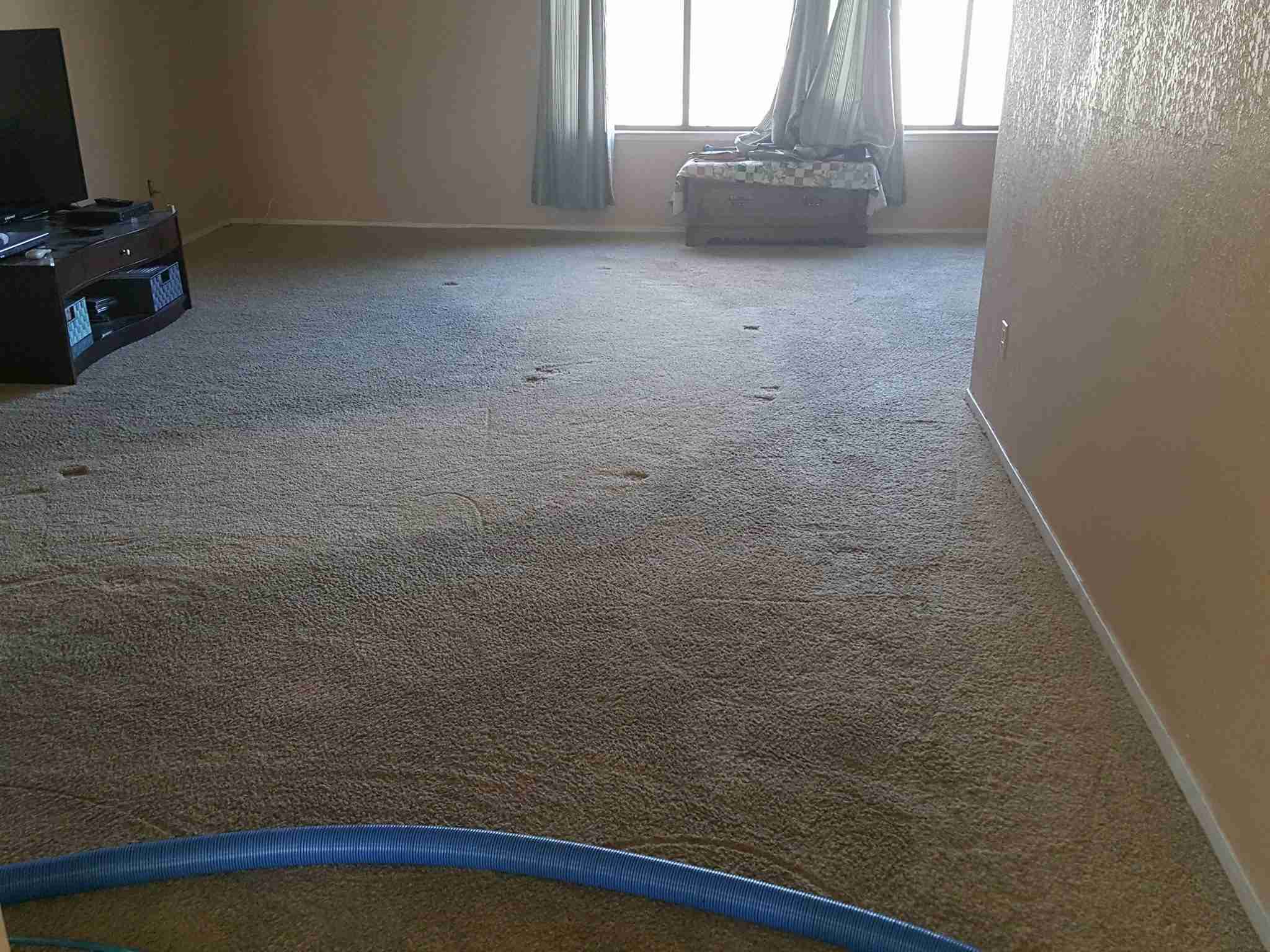
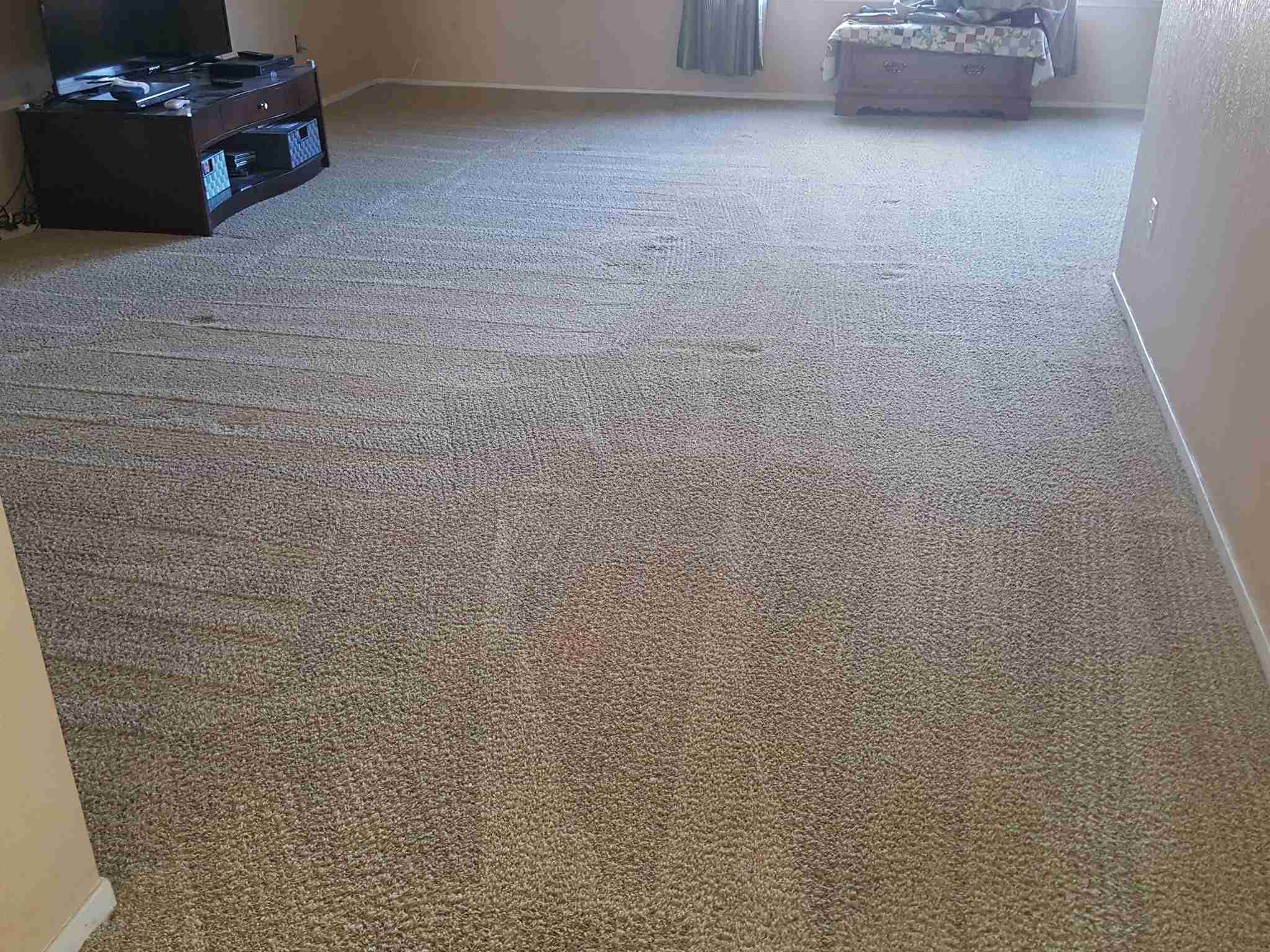
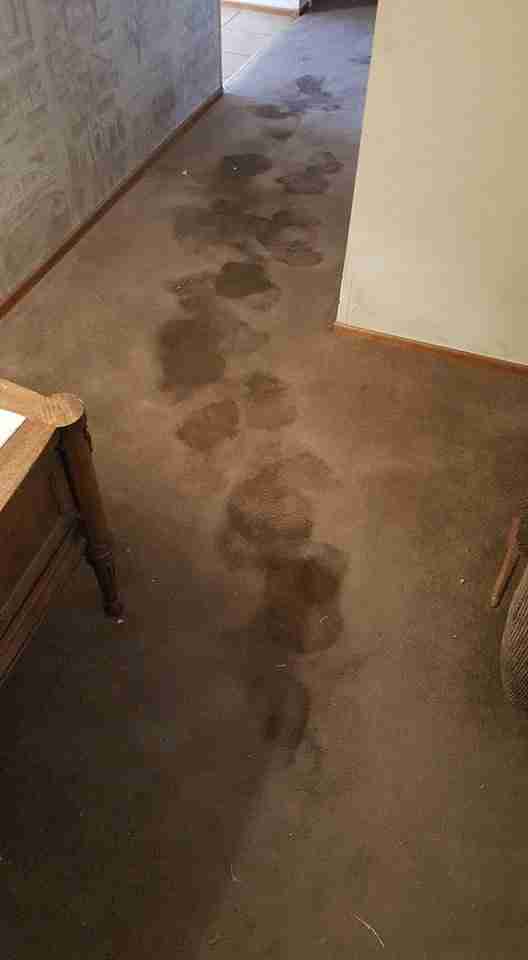
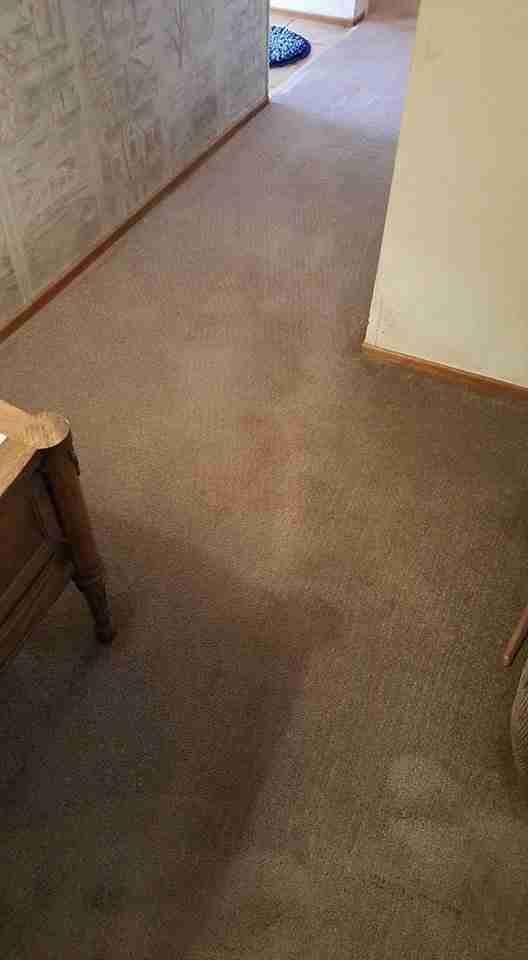
Before, then after.

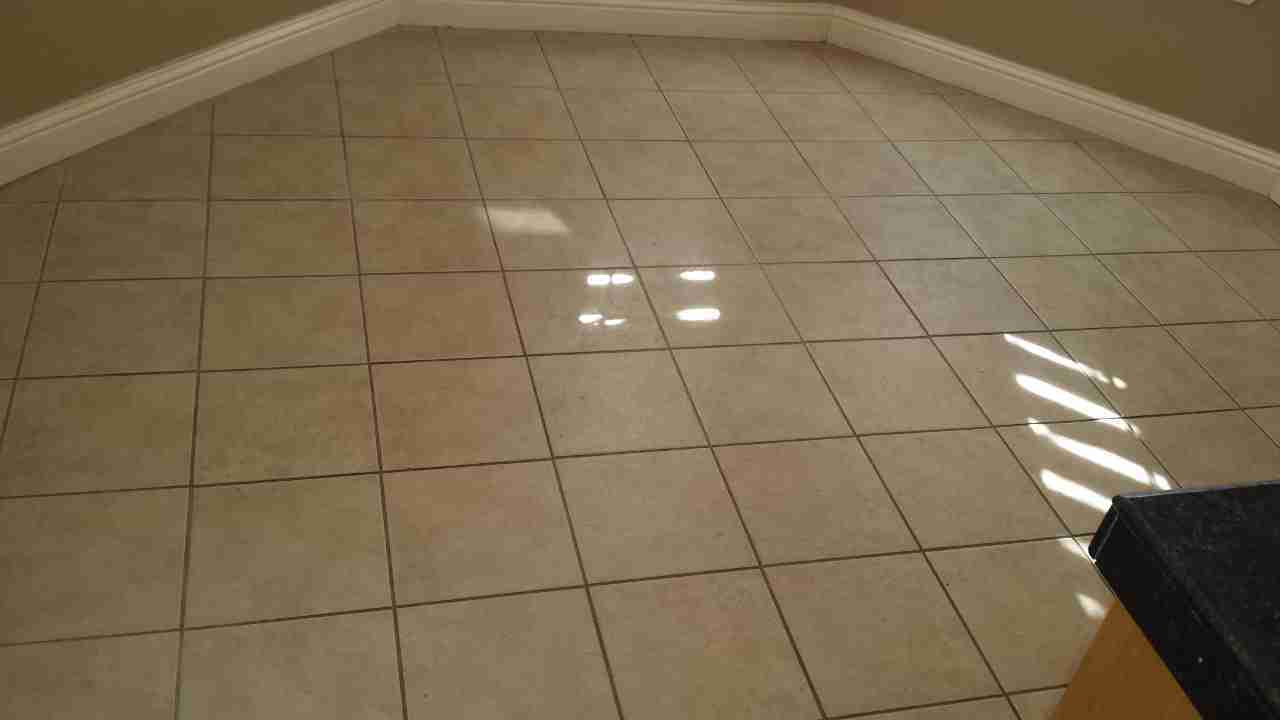
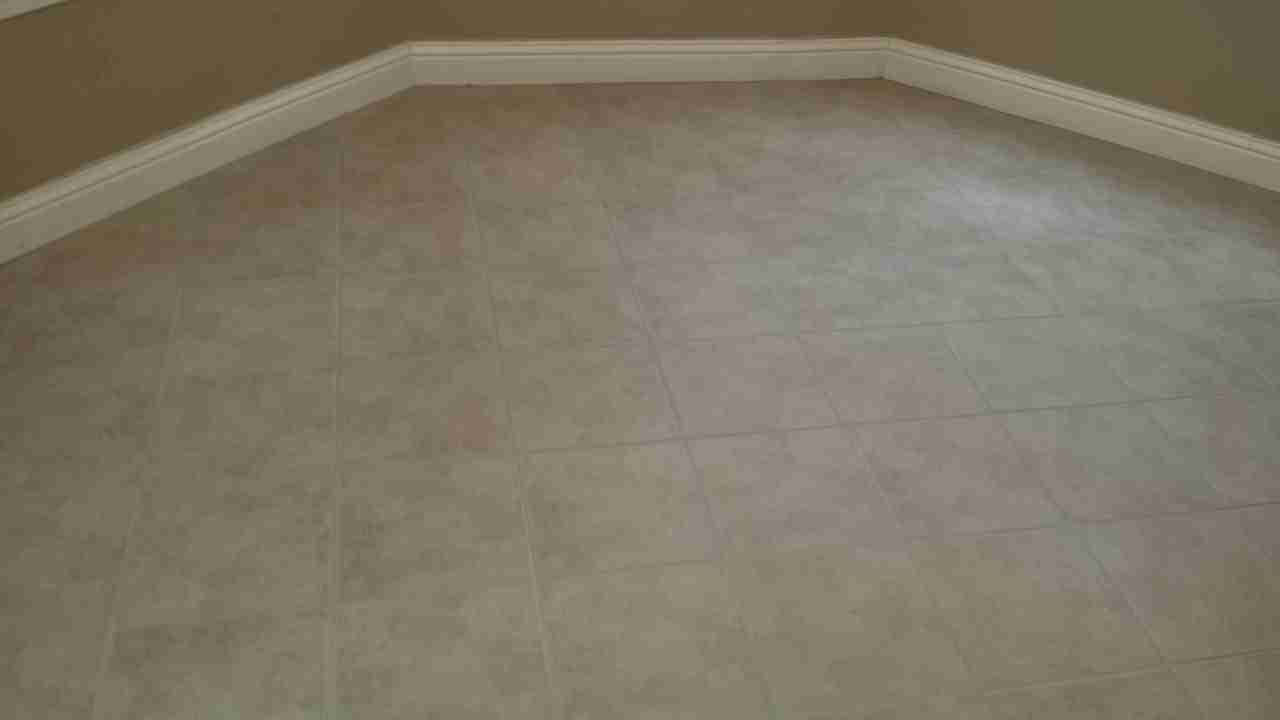
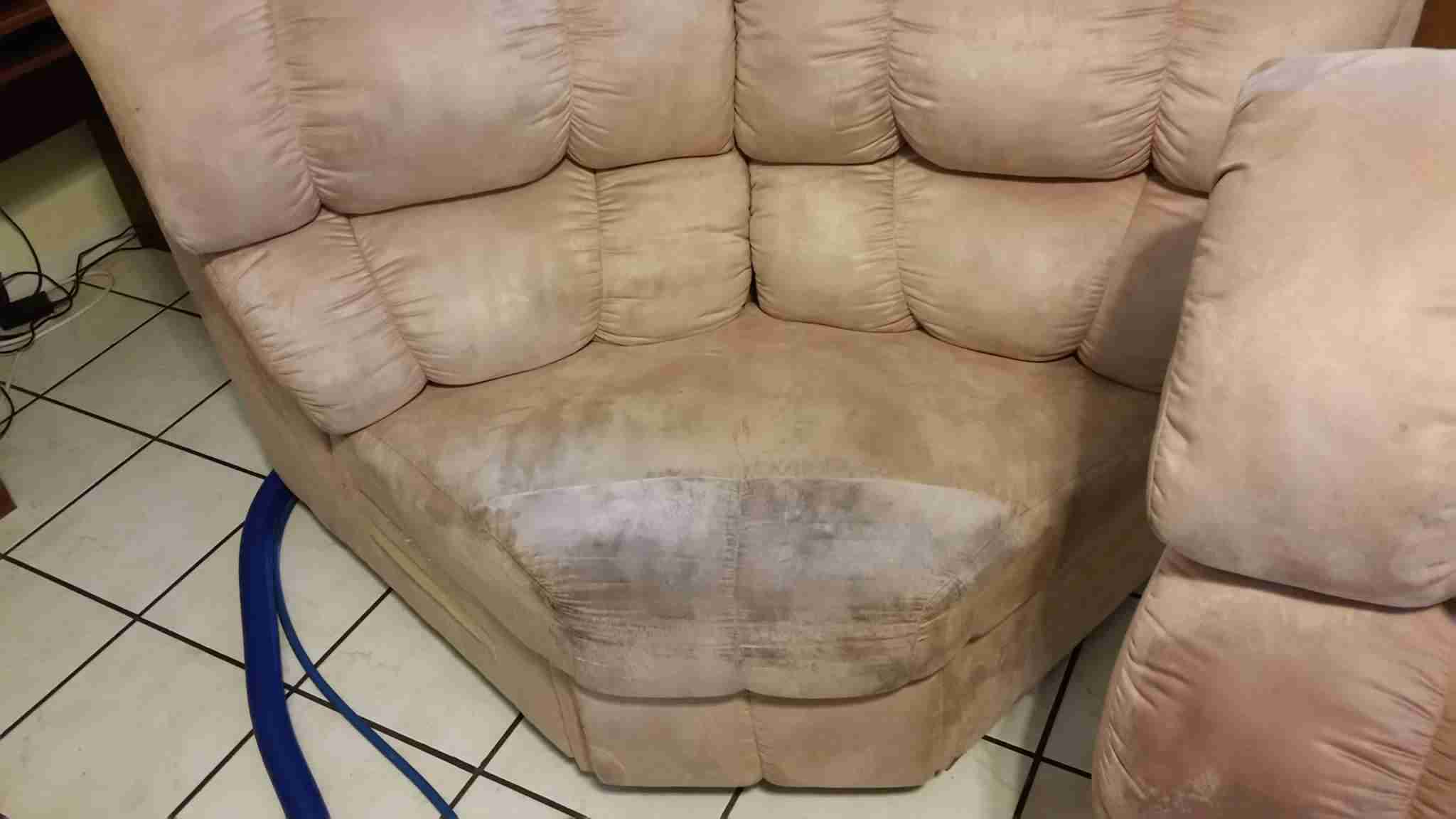
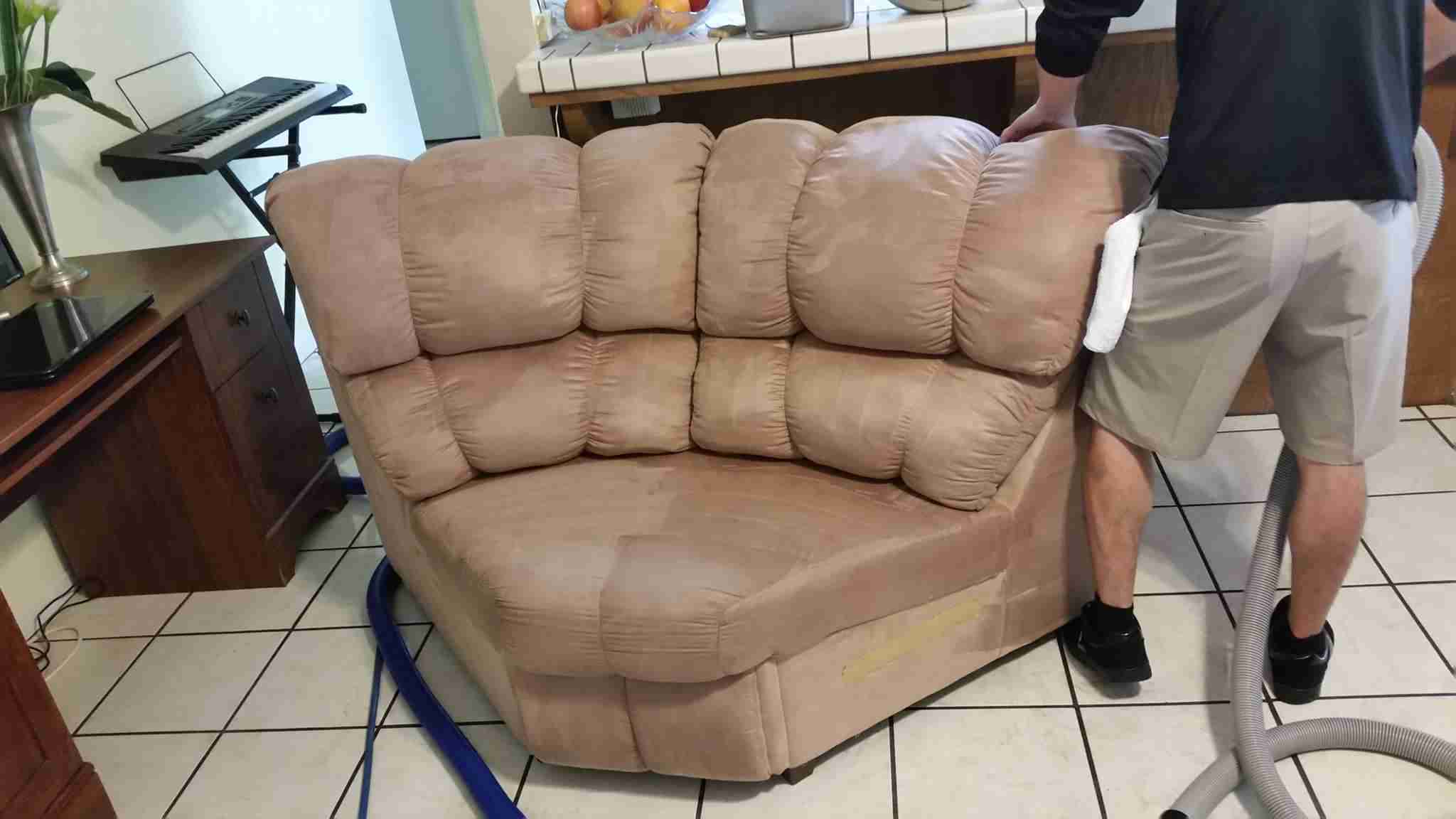
Shot on the job in real homes across our six-city area — not a stock library. Every photo is an actual Spiker job.

Carpet before Spiker cleaning
BEFORE
Carpet after Spiker cleaning
Carpet
Carpet before Spiker cleaning
BEFORE
Carpet after Spiker cleaning
Carpet
Tile & Grout before Spiker cleaning
BEFORE
Tile & Grout after Spiker cleaning
Tile & Grout
Upholstery before Spiker cleaning
BEFORE
Upholstery after Spiker cleaning
Upholstery
THE STANDARD

The same four phases.
Every single job.

There is no premium tier where you finally get the real cleaning. There is one protocol and everybody gets it.

PHASE 01

Inspect

We walk the job with you before anything gets wet. Fiber identification matters more than most people realize — a burn test or a close look at the pile tells us whether we are dealing with nylon, polyester, olefin or wool, and each one takes a different chemistry. We find the traffic lanes, the filtration lines along baseboards, the spots you have already tried to treat, and we tell you honestly which ones will come out and which ones will not. A stain that has been sitting in a jute backing for two years is a different conversation than last week’s coffee, and you deserve to hear that before we start rather than after.

PHASE 02

Pre-treat

Pre-spray goes down matched to what we found in the inspection, and then it sits. Dwell time is the step cheap jobs skip because it looks like nothing is happening, and it is the step that does most of the work. Chemistry needs contact time to break the bond between soil and fiber. Spray and immediately extract and you are just rinsing the surface. On heavy traffic lanes we agitate with a groomer to drive solution down to the base of the pile where the soil actually lives.

PHASE 03

Clean

The machine stays in the truck. That is not a detail — a truck-mount produces heat and vacuum that no portable unit can approach, and vacuum is what determines whether soil leaves the building or settles back into the fiber as it dries. We work in overlapping passes with dry strokes between wet ones. Hot water extraction is the method the Carpet and Rug Institute and most major carpet manufacturers publish, and for most carpet it is the method required to keep the warranty valid.

PHASE 04

Protect

We groom the pile so it dries standing up instead of matted flat, set up airflow, and apply protector where it makes sense for the fiber. Then we walk it with you and tell you the truth about the next twenty-four hours — what will look different when it dries, what might wick back and need a second pass, and how long to stay off it. Most callbacks in this trade are not cleaning failures. They are expectation failures.

BEFORE WE ARRIVE

Two things
worth knowing.

Every job ends with a walk-through.

Every job ends with a walk-through. You see the work before we leave, and we tell you what came out and what did not.

YOU SEE THE WORK BEFORE WE LEAVE

What we do, and what we do not.

We clean carpet, tile, upholstery, rugs and mattresses. We are not a maid service and we are not a moving crew. We do not pick up clothing, toys, pet waste or clutter, and we do not reorganise rooms.

This is not us being difficult — it is how you get the most cleaning for your money. Prep time is not cleaning time. On some jobs it takes longer to clear a room than it does to clean it, and you are paying either way. The more carpet you expose before we arrive, the more carpet actually gets cleaned.

CARPET CLEANING COMPANY · NOT A MAID SERVICE · THE MORE YOU EXPOSE, THE MORE WE CLEAN
STRAIGHT ANSWERS

The questions we
actually get asked.

Hot water extraction sprays heated cleaning solution into the carpet under pressure and immediately vacuums it back out, carrying the suspended soil with it. The vacuum is the important half — heat and chemistry loosen the soil, but recovery is what determines whether it leaves the building or settles back into the fiber as the carpet dries. It is the method the Carpet and Rug Institute and most major carpet manufacturers publish, and for most carpet it is what the warranty requires.

Yes — those are two names for the same job, and both are ours. Heat and chemistry loosen the soil; the vacuum recovers it, and recovery is what decides whether the soil leaves your house or settles back into the fiber as the carpet dries. So the question worth asking is not which name a company uses, it is how much heat and vacuum the machine brings and how completely it pulls the water back out. On tile and hard surfaces we run a high-pressure hot-steam vortex extraction, where genuine steam does real work on a hard, sealed surface.

Heat and vacuum. A truck-mounted unit produces water temperature and airflow that no portable can approach, and both matter. Higher heat means the chemistry works faster and more completely. Stronger vacuum means more water and more soil leave with the machine instead of staying in the carpet. That is also why truck-mounted jobs dry faster despite using more water.

Because moving it back onto damp carpet traps moisture underneath and causes mildew. Foam blocks and plastic tabs lift the legs, not the piece, and they do not create enough airflow to dry what is under a sofa or a bed. We are regularly called out to fix mildew created by another company doing exactly this. Cleaning around furniture properly is the honest answer.

Move it out of the room before we arrive and bring it back the next day, once the carpet is completely dry. That is the only method that does not trap moisture. Anyone willing to slide it back the same day is creating a problem you will discover in a month.

No. We are a carpet cleaning company, not a maid service. We do not handle clothing, toys, pet waste or clutter. Prep time is not cleaning time, and you are paying for cleaning time — the more carpet you expose before we arrive, the more of it actually gets cleaned.

Ready when you are.
One call. Cleanest floors you've had.

GALT (916) 919-7642 · LODI (209) 663-0823 · MON–SAT · 9AM–5PM
WE DO NOT MOVE FURNITURE · PRE-VACUUM REQUIRED

Call nowBook in 30 sec